
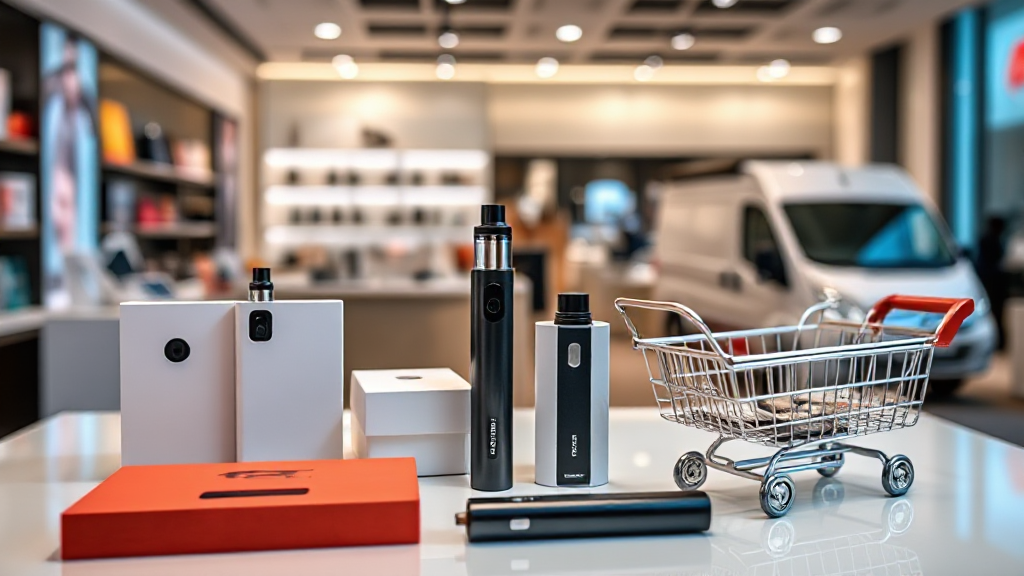
How to Spot a Genuine Lana Pix Device Before You Buy
The most common mistake I see in support tickets is customers judging a lana pix by the box art alone. Someone sees a glossy photo, a puff count printed in bold, and a price that looks too good to pass up, then orders without checking the device itself. Days later the ticket arrives: the draw feels weak, the flavour is flat, or the screen never lights up the way the listing promised. After handling enough of these cases, I can tell you the problem is almost never the product line. It is the source. Knowing what a real Lana Pix looks and behaves like before you pay is the single habit that prevents most of these headaches.
This is background worth having, because once you understand how these devices are built and sold, every other decision gets easier. You stop comparing listings by puff count alone and start comparing sellers by what they can actually prove.
What the Lana Pix Line Actually Is
Lana Pix is a family of disposable vape devices built around a simple idea: a compact body, a rechargeable battery, and a puff count that suits different usage patterns. The range has grown over time, and that growth is where a lot of confusion starts. Buyers search for one model and end up looking at three different ones with similar names and very different specs.
In practice, the models I get asked about most are the mid-range and high-capacity versions. A shopper who wants something pocketable and light usually ends up in the 9,000 puff bracket, while someone who travels often and dislikes reordering leans toward the larger options. The naming is not random, but it is not self-explanatory either, which is why so many people arrive at a listing unsure whether they are looking at the right device for their habits.
The fix is straightforward: decide your usage pattern first, then match the model to it. If you vape occasionally, a smaller capacity device will sit unused for weeks and the battery will slowly drain. If you vape steadily through the day, a small device becomes a weekly errand. Neither choice is wrong, but picking the wrong one for your routine is the second most common mistake I see.
Why Counterfeit and Grey-Market Units Keep Appearing
Popular disposable lines attract copies. It happens in every consumer electronics category, and vapes are no exception. A counterfeit unit usually copies the shell, the colourway, and the printed puff count, but cuts corners on the coil, the battery cell, and the airflow design. That is why the failure symptoms are so consistent: muted flavour, a draw that feels tight or watery, and a battery that dies well before the advertised count.
Grey-market stock is a subtler problem. These are often genuine devices, but they have been stored badly, moved through unofficial channels, or sat in a warehouse past their prime. A genuine device that has been cooked in a hot container for three months will perform like a bad one, and the buyer has no way to tell from the outside.
This is where the seller matters more than the spec sheet. A retailer that controls its own storage and shipping can tell you where a unit came from and how it was handled. One that resells whatever arrives on a pallet usually cannot. When I look at how a store like marbo vape 25k stock is presented alongside the rest of a catalogue, the details that stand out are the boring ones: clear product photos, consistent naming, and delivery terms written in plain language rather than hype.
Checking the Device Before You Trust the Listing
Once you have a shortlist, the verification step is quick. Start with the packaging. Genuine units use consistent typography, clean print edges, and a batch or serial reference that matches the device body. Blurry text, mismatched fonts, or a missing batch code are immediate red flags.
Next, check the device itself. A real unit feels solid in the hand, the mouthpiece seats properly, and the airflow is smooth rather than whistly. If the device has a screen or indicator, it should respond the moment you draw. A unit that needs a hard pull to register anything is usually a sign of a weak cell or a poorly seated connection.
Then look at the seller’s own claims. A listing that promises a specific puff count without any mention of battery capacity or charging method is telling you it is optimised for clicks, not accuracy. Compare that with a listing for something like a lana pen plus 9k, where the details that matter — capacity, charging, flavour range — are stated up front. That difference in presentation is a reliable signal of how the seller handles problems after the sale.
Matching the Model to How You Actually Vape
Capacity is the headline number, but it is not the only one that matters. Battery rechargeability, airflow design, and flavour consistency across the life of the device all shape the experience. A high-capacity device with a small cell will need frequent charging, which defeats the point of the larger tank. A low-capacity device with a well-tuned coil can still deliver a clean draw from first puff to last.
For heavier users, the larger formats tend to make more sense. A unit like the lana pix 20k is built for people who want to charge less often and carry one device instead of three. For lighter users, the smaller formats are easier to manage and less likely to sit around losing charge.
It also helps to think about where you will use the device. If you are usually at home, a larger unit is fine. If you are moving between office, commute, and evenings out, a compact device that fits a pocket without bulging is worth more than an extra few thousand puffs you will never reach.
There is a practical angle here too. Devices that are easy to source consistently are easier to live with. When a model is widely stocked and clearly labelled, like the marbo 25k, you spend less time hunting for a replacement and more time just using the thing you bought.
Delivery, Payment, and What to Confirm First
In Singapore, the practical questions around any vape purchase are delivery speed, payment method, and packaging discretion. These are not marketing extras; they are the parts of the transaction that determine whether the experience is smooth or frustrating.
Before ordering, confirm three things. First, how the seller ships and how long it typically takes. Second, whether cash on delivery is available, because paying on receipt removes a lot of the risk from a first-time purchase. Third, how the package is presented, since discreet packaging matters to most buyers.
I have seen customers skip these checks and then run into problems that were entirely avoidable. A seller that states its delivery and payment terms clearly, in plain language, is usually a seller that has thought about the after-sale experience. If you are comparing options, look at how a store handles something like snowwolf 16k orders — the process around the product tells you more than the product page headline does.
Common Support Tickets and How to Avoid Them
Across the tickets I have handled, the same handful of issues come up again and again. The device does not charge. The flavour tastes burnt after a day. The puff count falls far short of the listing. The package arrived later than promised. Almost all of these trace back to one of three causes: a counterfeit unit, a badly stored genuine unit, or a mismatch between the device and the buyer’s usage.
The prevention is not complicated. Buy from a seller that controls its own stock and states its terms clearly. Check the packaging and batch code when the device arrives. Charge the device fully before first use, and do not leave it in a hot car or direct sun. Match the capacity to your actual routine rather than to the biggest number on the page.
It also pays to know what else is in a seller’s catalogue, because a well-run store tends to be consistent across categories. If you use heated tobacco products alongside disposables, the same standards apply to something like terea singapore stock, and the same questions about sourcing and storage are worth asking. Consistency across a catalogue is a good sign that the seller is not cutting corners anywhere.
Where the Lana Pix Fits in a Sensible Routine
The Lana Pix range works best when you treat it as one part of a considered setup rather than an impulse buy. Decide your capacity bracket, verify the seller, confirm delivery and payment terms, and check the device when it lands. That sequence removes almost all of the risk that generates support tickets in the first place.
For buyers who want a step up in capacity without moving to a bulky format, models like the lana ultra 2 sit in a useful middle ground. The point is not to chase the highest number. It is to pick the device that fits how you actually use it, from a seller who can stand behind what they ship.
Do that, and the rest of the experience — the draw, the flavour, the battery life — tends to take care of itself. The mistake most people make is skipping the background and buying on the strength of a photo. Spend five minutes on the checks above instead, and you will rarely need to open a ticket at all.